


Thirty Years at the Heart of Essex Communities
28th July 2026
Communities are shaped by the people within them: the challenges they face, the connections they create, and the support they offer one another.
Over time, communities change. New pressures emerge, circumstances shift, and the needs of local people can become more complex. But looking back also shows that some things remain constant: the importance of having somewhere to turn, opportunities to thrive and people who understand.
As Essex Community Foundation (ECF) celebrates its 30th anniversary, it is a chance to reflect on three decades of working alongside local communities and what that journey reveals about Essex itself.
When ECF was established in 1996, it began with a clear purpose: to inspire local giving and connect people who want to make a difference with the charities and voluntary organisations improving lives across Essex.
As an independent charitable foundation, ECF works with individuals, families, businesses and charitable trusts, helping them support local causes through grant-making. Over the past 30 years, the Foundation has worked alongside thousands of voluntary organisations, building relationships with the groups closest to the needs of their communities.
From the beginning, ECF recognised that making a lasting difference starts with understanding. Essex is a county of contrasts, made up of busy towns, rural communities and coastal areas, each with their own strengths, experiences and needs. To provide meaningful support, it was important to look beyond assumptions and listen to what communities were experiencing.
In 1998, just two years after ECF was created, the Foundation produced its first Social Needs report, beginning a commitment to understanding Essex communities and ensuring funding reached the places where it could have the greatest impact.
Looking back at the report today offers a snapshot of Essex at that moment in time. It challenged perceptions of the county as simply affluent, highlighting that behind the overall picture were people experiencing very different realities.
The research identified the different experiences of people living across Essex, highlighting issues such as isolation, financial pressures, difficulties facing young people and barriers preventing people from accessing support and opportunities. It also recognised the vital role of voluntary organisations already working locally, often reaching those who may otherwise have been overlooked.
As Essex changed, ECF continued to listen, evolving its understanding alongside the communities it supported.
By 2004, further Social Needs research explored the connections between factors affecting people’s lives. Issues around health, housing, education, employment, financial hardship and wellbeing often overlapped, showing why the work of local organisations, with their understanding of the people and places they support, remained so important.
Over the following years, ECF continued to listen and learn through its Vital Signs reports.
Produced in 2013, 2014 and 2015, they explored the factors that help people and places thrive, while recognising the different experiences of residents across Essex.
The reports highlighted themes including wellbeing, education and skills, access to services, rural isolation, community connection and the importance of people feeling able to participate in the places they live.
Following the COVID-19 pandemic, ECF’s Community Listening work in 2021 provided another important insight into Essex. Conversations with charities and voluntary organisations showed that many issues were not necessarily new, but had become more complex.
Mental health, loneliness, financial pressures and increasing demand on the voluntary sector had intensified, while the importance of trusted local relationships became even clearer.
Across almost three decades of listening and learning, one message has remained clear: Essex has never had just one story.
Some challenges have changed with time, while others, the need for connection, opportunity, early help and trusted relationships, have appeared again and again.
These themes are not only found in reports. They can be seen in the journeys of local organisations who have grown alongside the people they serve.
The importance of supporting young people and creating safe spaces was recognised in ECF’s earliest research, and it remains a theme seen across Essex today.
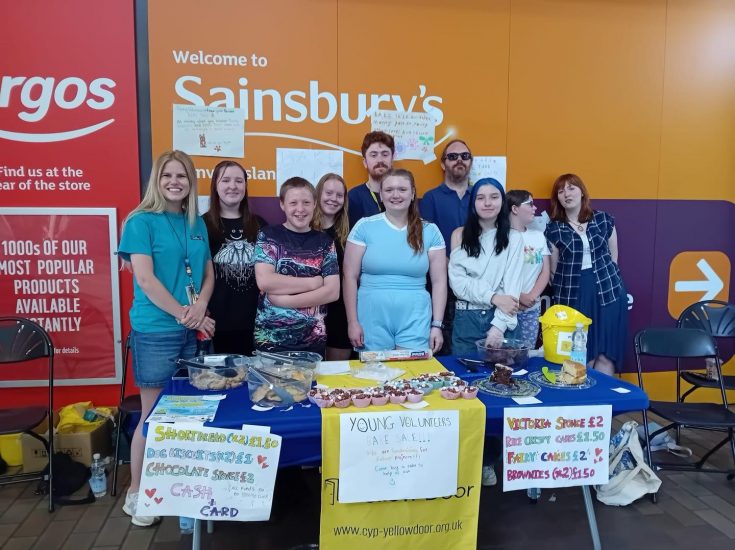
CYP-Yellow Door, formerly known as Canvey Island Youth Project, is one of the organisations that reflects this journey, with ECF’s support dating back to 1997.
What began in 1992 with six volunteers and a cupboard in a church has grown into a charity supporting more than 200 young people each week through counselling, mentoring, outreach and practical help.
“As the challenges facing young people have grown, so have we,” said Alex Hawkins, CEO of CYP-Yellow Door.
“At the heart of everything we do are positive, trusted relationships that help young people overcome barriers, improve their wellbeing and realise their potential.”
“As we celebrate ECF’s 30th anniversary, we are thankful for their support since 1997. Their belief in local communities and long-term commitment to grassroots charities like ours has helped us grow, adapt and continue serving young people for over three decades.”
As ECF’s research continued to highlight how issues often overlap, organisations like SNAP Charity have seen those connections first-hand.
 Having worked with ECF since 1998, SNAP supports children and young people with additional needs and their families, adapting its services as family circumstances have changed.
“While families have always needed practical help and a strong support network, we’re seeing increasing pressures around mental health, education, financial wellbeing and navigating often complex systems of support,” said Karen Boath, CEO of SNAP Charity.
Today, SNAP supports more than 5,100 families across Essex.
“What hasn’t changed is the importance of having somewhere families can turn to for trusted advice, practical help and a sense of community,” added Karen.
The changing pressures facing young people also reflect a pattern seen throughout ECF’s work: some needs remain familiar, but the circumstances around them evolve.
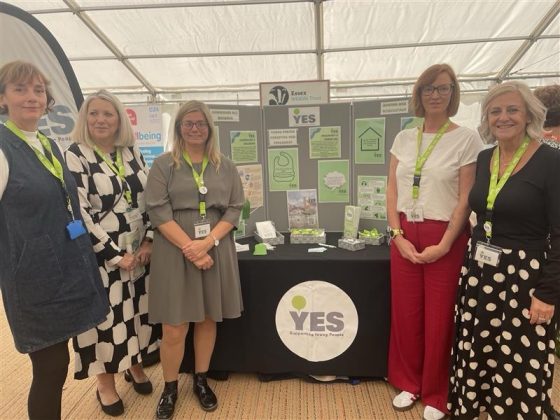
Since receiving its first ECF grant in 1998, Essex and Suffolk Youth Enquiry Service (YES) has supported young people across North East Essex through counselling, homelessness prevention and support for young parents.
“Today, the young people we support often face complex challenges, including poor mental health, financial hardship, and limited family networks,” said Maeve Borges, CEO of YES.
“While these issues are not new, the pressures surrounding them have intensified, particularly through the 24/7 influence of social media, alongside the lasting impact of COVID-19, the cost-of-living crisis, and wider global uncertainty.
“What has never changed is the importance of early, compassionate support.”
Themes of opportunity, belonging and participation appeared throughout ECF’s Vital Signs work, themes reflected in InterAct’s approach.
For InterAct, whose relationship with ECF dates back to 1998, the past three decades have also been a story of growth and adaptation.
The organisation supports children and young people aged 8–25 with special educational needs and disabilities (SEND), helping them build confidence, friendships and independence.
“While InterAct has evolved and expanded over the years, what has remained constant is our commitment to putting young people with SEND and their families at the heart of everything we do,” said Vickie Perkins, Chief Executive Officer of InterAct.
Headway Essex, whose relationship with ECF dates back to 2001, reflects another theme seen throughout ECF’s work: the importance of belonging and having support through life-changing circumstances.
Starting as a monthly support group at St Mary’s Hospital in Colchester, the charity has grown significantly over the decades and now provides day centres in Colchester and South Benfleet, educational programmes and one-to-one support.
“As was the case 40 years ago, monthly support groups are still invaluable for people with a brain injury, offering the opportunity to share challenges and rehab wins, and most importantly build a community,” said Anastasia Grabov, Income Generation Lead at Headway Essex.
“It’s fair to say that providing a community of people that supports each other continues to be one of the biggest strengths here at Headway Essex.”
Together, these stories reflect many of the themes ECF has seen over the last 30 years: the importance of connection, opportunity, early help and strong local organisations that understand the people they work with.
For Colchester United Community Foundation, whose relationship with ECF dates back to 1998, partnership has helped them continue reaching people across the community.
Corin Haines, CEO of Colchester United Community Foundation, said ECF’s support has helped them “provide vital services to those who may need it most.”
“It is wonderful to see ECF reach its 30th anniversary and continue to impact people’s lives in such a positive way. We look forward to continuing our partnership for many more years to come to help us enrich, inspire and unite our communities further.”
Thirty years after ECF began, Essex continues to change, but looking back across three decades reveals a lasting thread: the importance of listening first, understanding local need and supporting the organisations working every day to make a difference.
As ECF looks ahead, those lessons remain at the heart of its work, helping Essex.
Get involved
To learn more about Essex Community Foundation’s 30-year journey and its work supporting local charities and voluntary organisations, visit: www.essexcommunityfoundation.org.uk