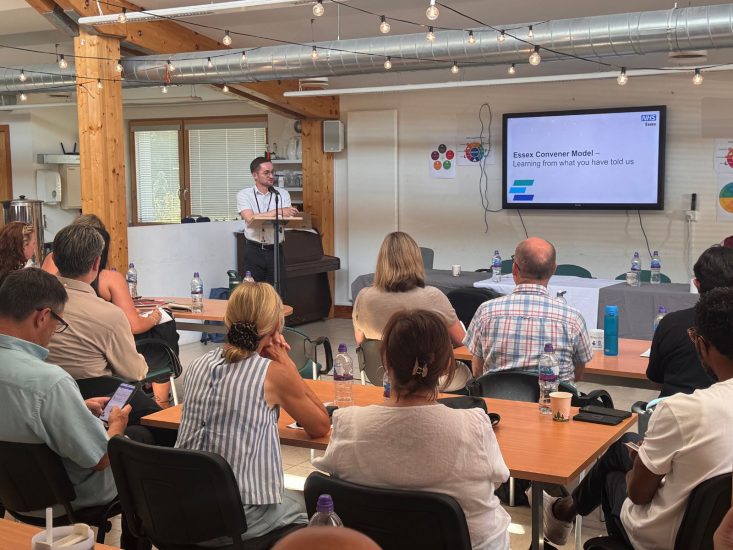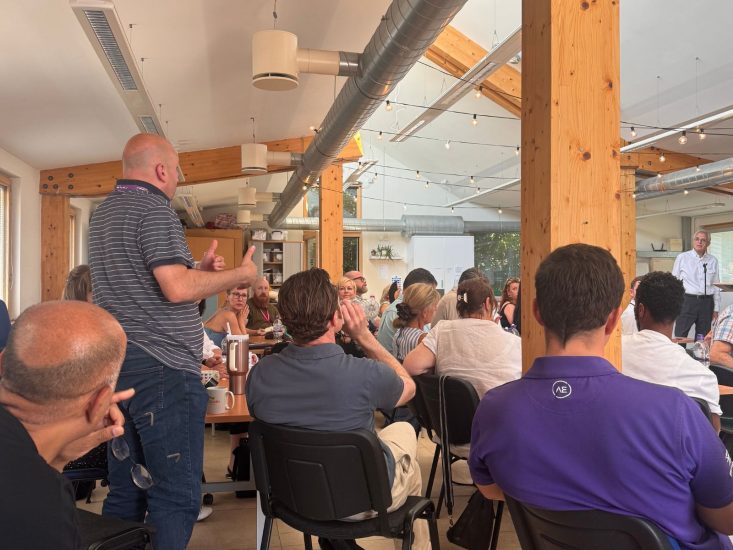


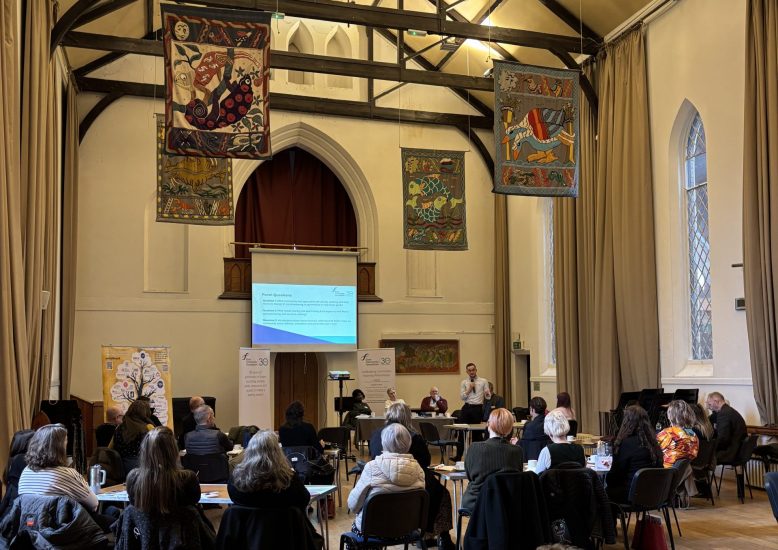
As Greater Essex experiences significant system change, Essex Community Foundation (ECF) and NHS Essex Integrated Care Board brought together organisations from across the voluntary, community and social enterprise (VCSE) sector, health, local government and wider partners to explore how communities and the organisations that support them can help shape a stronger future for civil society across Greater Essex.
The Future of Essex series: From Reorganisation to Transformation created a collaborative space for cross-sector conversations about how partners can move beyond system reorganisation towards genuine transformation by building on existing strengths, making better use of collective resources and supporting more community-led, preventative approaches.
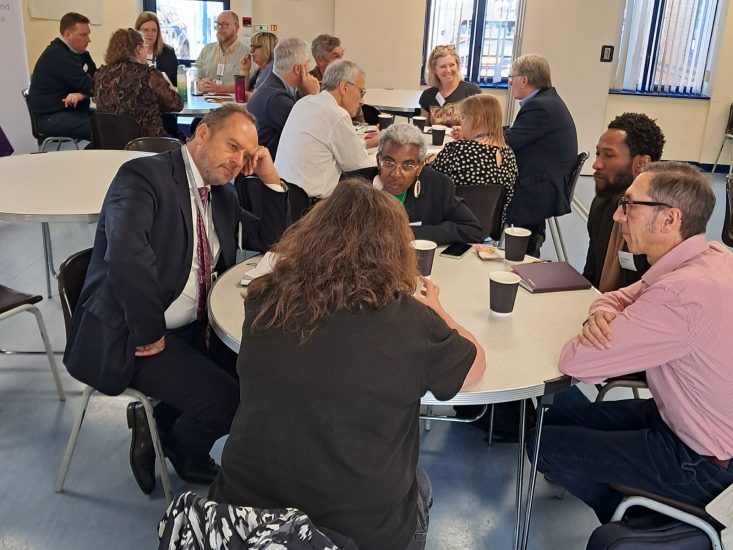
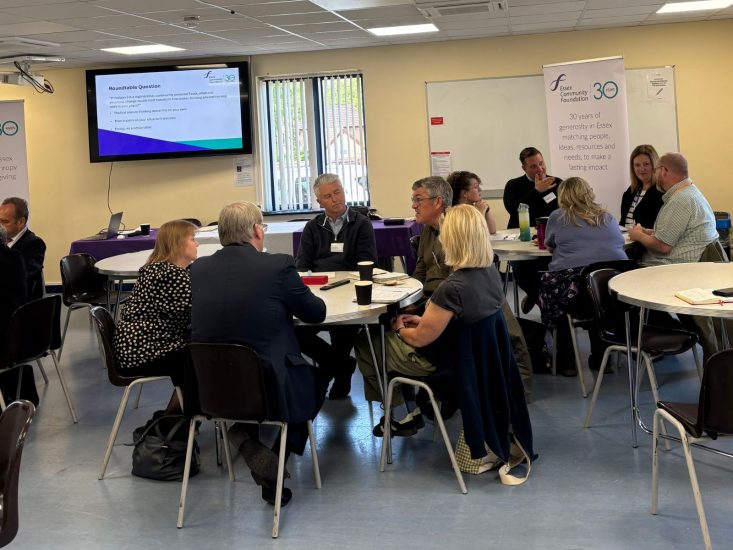
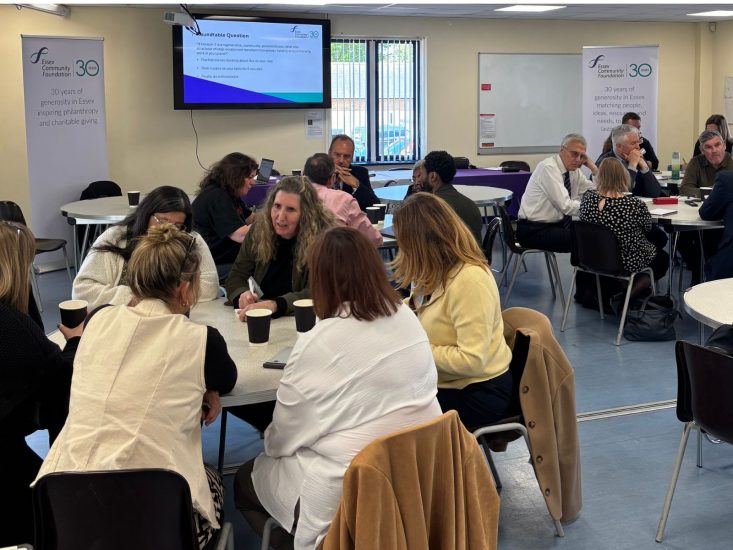
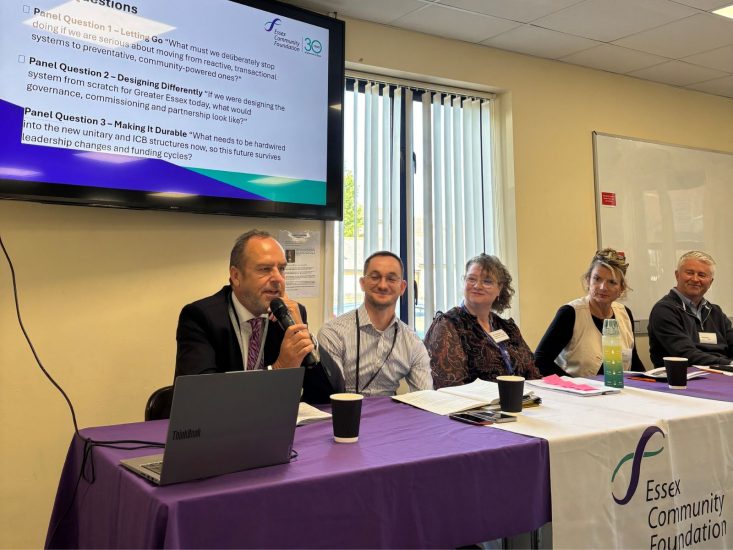
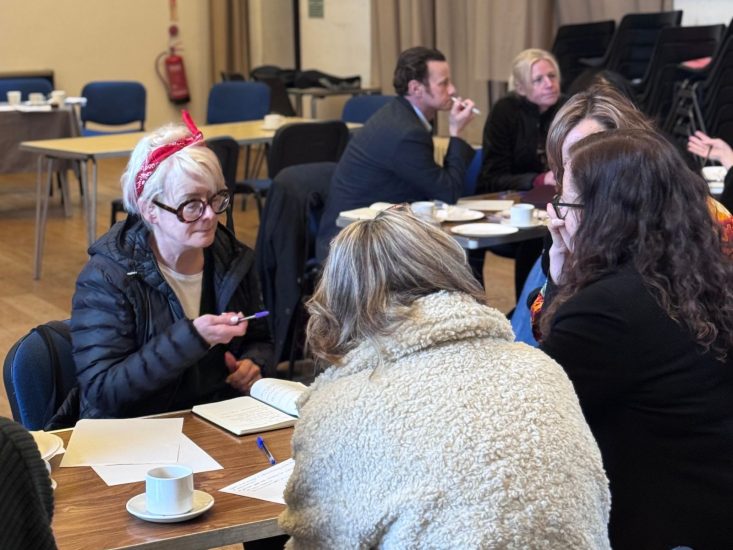
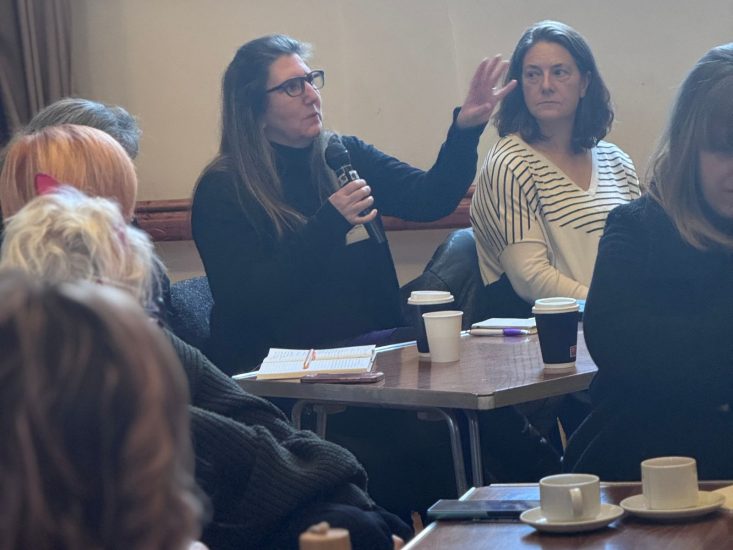
The series explored current challenges, community-led approaches and opportunities for future action through four events in Harwich, Harlow, Grays and Rochford. Panels brought together perspectives from NHS Essex Integrated Care Board, ECF, VCSE organisations and local authority representatives, alongside roundtable discussions exploring themes in greater detail.
Key insights from the series
Recognition of the vital role the VCSE sector plays in our communities
Charities, grassroots organisations and community groups play an important role in understanding local needs through trusted relationships, local knowledge and experience built through years of working alongside communities.
This insight helps identify challenges, understand changing needs, and develop solutions that reflect local realities.
However, the sector can still too often be seen as a service provider rather than a strategic partner.
Participants discussed how the expertise of the sector can be involved earlier in planning, commissioning, and decision-making, ensuring future approaches are shaped with those closest to the issues and opportunities from the beginning.
Building on the innovation already happening locally
Many of the approaches needed for thriving communities are already happening locally.
Participants shared examples of local partnerships, community-led solutions, and new ways of working already creating positive change.
The focus was on how Greater Essex can better recognise, connect, and support these approaches, rather than starting again or losing valuable knowledge during periods of change.
Moving from crisis response to prevention
There is a need to shift from crisis response towards prevention, early intervention, and long-term wellbeing.
Charities, grassroots organisations and local partners can support people earlier, build connections and address challenges before they escalate.
Participants highlighted the importance of prioritising prevention in future decisions, recognising that healthier and more resilient communities require investment in the support, relationships and local infrastructure that help people thrive.
Investing differently to support long-term change
Short-term funding and commissioning approaches make it harder for organisations to plan, collaborate and create lasting impact.
There is a need for more flexible, longer-term approaches that recognise the value of prevention and support organisations to focus on outcomes.
The series also considered how Greater Essex can maximise existing resources while attracting additional funding through national programmes, philanthropy and social impact investment.
Turning conversations into action
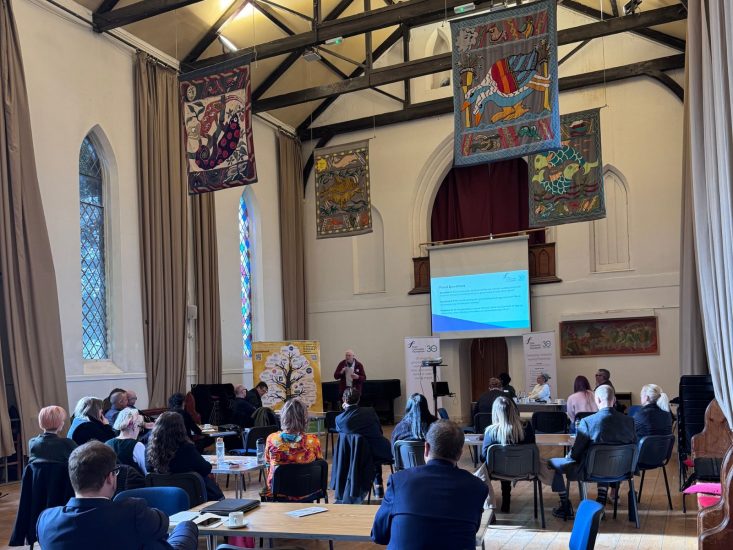
The final event in Rochford brought together reflections from across the series, exploring key learning and how ideas could be turned into action.
Tom Abell, Chief Executive of NHS Essex Integrated Care Board (ICB), reflected on how learning from the series has contributed to thinking around the development of the ICB’s convener approach, recognising the importance of involving the VCSE sector earlier in the design of services and commissioning because of its expertise and understanding of local communities and needs.
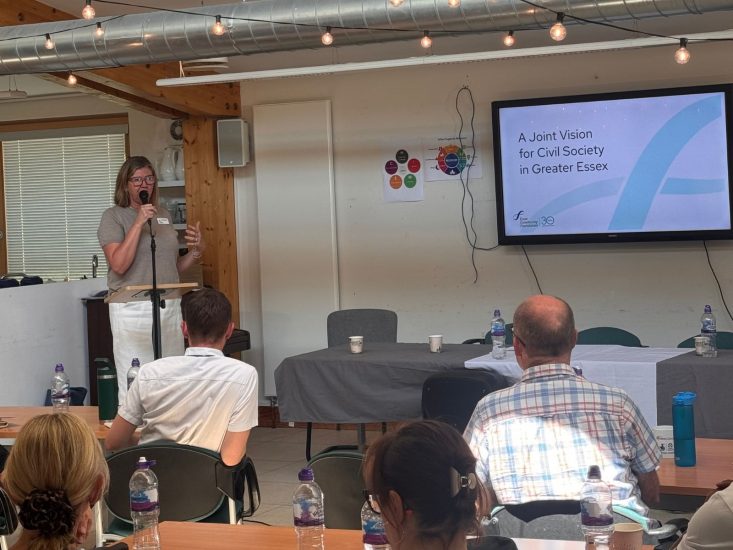
Caroline Taylor, Chief Executive of ECF, also shared A Joint Vision for Civil Society in Greater Essex, reflecting many of the themes and priorities raised throughout the series, including recognising the contribution of the VCSE sector, building genuine partnerships across sectors and creating the conditions for long-term community impact.
Together, these conversations reinforced that supporting a stronger future for Essex communities is not only about changing structures, but changing how organisations work together and ensuring the knowledge already within communities helps shape what comes next.
Caroline Taylor, Chief Executive of Essex Community Foundation, said:
“The Future of Essex series has reinforced what we see every day through our work with voluntary and community organisations, that there is incredible knowledge, experience and innovation already happening locally.
If we are to create stronger communities across Greater Essex, this expertise must be recognised and reflected in the decisions, partnerships and investment that shape their future.”
Tom Abell, Chief Executive of NHS Essex, commented:
“The Future of Essex series has shown what is possible when we bring the NHS, local government and the VCSE sector round the same table. Voluntary and community organisations understand their communities in a way no single institution can replicate, and that understanding needs to shape our decisions from the start with stronger partnerships across the sector meaning better outcomes for the people of Essex.”
Lisa Andrews, Chief Executive of Community Voluntary Services Tendring, and attendee of all four events in the series reflected:
“The Future of Essex events have created valuable opportunities for voluntary and community organisations to consider how we can work differently with the NHS and local government during a period of significant change.
The VCSE sector plays a vital role in improving the health and wellbeing of local people, and this contribution has been recognised more than ever through the series.”
The Future of Essex series represents one part of a wider conversation about the future of civil society and communities across Greater Essex.
The insights gathered through the series will continue to support discussions with partners across the VCSE sector, health, local government, and beyond.
If you’d like to find out more about our Joint Vision for Civil Society in Greater Essex, click here.
Organisations interested in sharing their experiences, exploring opportunities for collaboration or contributing to future conversations about this work can contact ECF’s Policy Team at Policy@essexcf.org.uk.