



Children and young people across Essex are facing a range of challenges, from accessing positive activities and trusted support networks to overcoming barriers to education, training and employment.
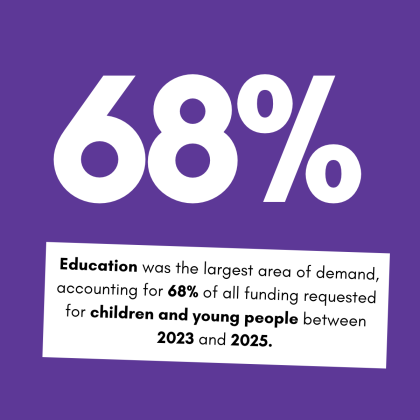
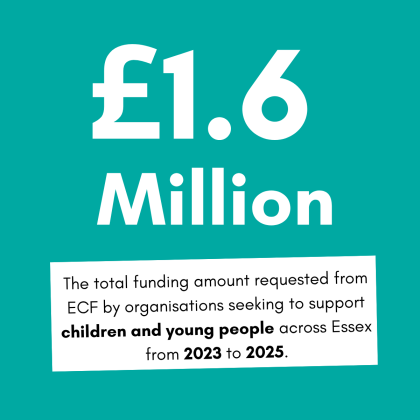 Recent analysis of ECF funding applications highlights increasing demand for investment in support for children and young people across the county. Between 2023 and 2025, organisations sought more than £1.6 million in funding, with almost 68% of applications focused on education-related activity.
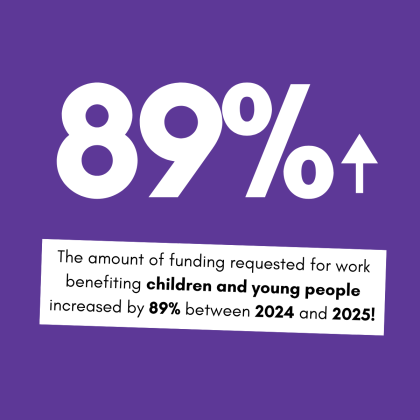
The amount of funding requested for work benefiting children and young people increased by 89% between 2024 and 2025, with particularly strong demand from organisations operating in Braintree, Thurrock and Tendring.
The organisations seeking funding are responding to a wide range of needs. Some help young people build confidence, resilience and positive relationships, while others support them to access opportunities that can shape their future.
One organisation responding to this demand is Essex Boys and Girls Clubs, which received ECF funding for the Respect Project in Braintree. The project works with vulnerable Year 9 students through activities designed to improve wellbeing, build confidence and encourage positive life choices.
 Jay Solder, County Director of Essex Boys and Girls Clubs, said:
“Across Braintree, we’re seeing increasing numbers of young people seeking out safe, supportive spaces where they can develop positive relationships, build confidence and access new opportunities. Many are actively looking for alternatives and escapes from the negative influences that are affecting their communities, including gangs, drugs, violence and related anti-social behaviours. The growing demand for youth provision highlights the importance of providing trusted adults, positive role models and activities that help young people make positive choices and realise their potential.”
In Tendring, Aspire Educational Mentoring CIC received ECF funding for its Futures Programme, which supports students from disadvantaged backgrounds as they prepare for life after sixth form.
Stuart Newton, Director and Lead Mentor at Aspire Educational Mentoring, said:
“Over the three years that Aspire’s Futures Programme has been running with post-16 students, there has been a noticeable widening of the gap between the aspirations of students and access to the opportunities available. This is linked to both the cost of living crisis making it harder for young people to afford to travel to apprenticeship and university open days, along with a seeming reduction in level 4 and above apprenticeship opportunities due to the rising employment costs. The reduction in part-time work opportunities for this age group also makes it harder for them to gain continued work experience and develop key ‘soft skills’ that employers look for.”
 While funding applications do not provide a complete picture of need across Essex, they offer valuable insight into the challenges local organisations are responding to. The increasing demand for ECF funding highlights the important rolecharities and community groups continue to play in helping children and young people access opportunities, build confidence and realise their potential.