NHS Essex Community Health Partnership Fund Opens for Applications
8th October 2026
Community organisations across Essex can now apply for grants of up to £10,000 from the NHS Essex Community Health Partnership Fund to support community-led projects that encourage, enable and support greater vaccine confidence and uptake.
The NHS Essex Community Health Partnership Fund has been established by NHS Essex Integrated Care Board (ICB) and ECF. The programme is exploring how community-led approaches can help improve preventative health outcomes and increase vaccination uptake among communities where take-up of vaccines is lower than expected.
To help achieve this, the Fund is investing in local charities and community groups that often have trusted relationships with the people they support and can engage people and communities that statutory services may find more difficult to reach.
Priority Groups
Projects must work with one or more of the following priority groups:
- Pregnant Women – Pertussis, RSV, Flu
- Teenage Girls & Boys – HPV
- Children – MMR Dose 1 & 2
Priority Areas
The Fund will consider applications from across Essex (excluding Southend and Thurrock) but priority will be given to projects working in:
What Can Be Funded?
The Fund is designed to support organisations that are already working with one or more of the priority groups and have strong relationships within the communities they support. Funding is available for projects that can build on and strengthen work that is already taking place.
Grants of up to £10,000 are available for projects lasting up to 24 months.
The Advisory Panel is looking for organisations that have strong community connections and can work collaboratively to help increase vaccination uptake among Essex’s priority communities.
The Fund is looking for community-led approaches that:
- Increase awareness and understanding of vaccinations
- Build trust and confidence within communities
- Address barriers to accessing vaccination services
- Support informed decision-making
- Engage communities that are underserved or less likely to engage with mainstream services
- Create sustainable and collaborative approaches that can inform future delivery models
Who Can Apply?
Applications are welcome from:
- Registered charities
- Community and voluntary organisations
- Community Interest Companies (CICs) limited by guarantee
- Other not-for-profit organisations meeting ECF eligibility requirements
To read the full application guidance click here
Application Process
There are two stages to the application process.
Stage One: Expression of Interest
Organisations must first submit an Expression of Interest (EOI).
Deadline: Wednesday 25 November 2026, 5pm.
EOIs will be reviewed by the Advisory Panel and organisations demonstrating the strongest fit with the Fund’s priorities will be invited to submit a full application.
Applicants will be notified of the outcome of their EOI by Wednesday 16 December 2026.
Stage Two: Full Application
Organisations invited to the second stage will be asked to provide further information about their proposed project. Any additional questions from the Advisory Panel will be shared with applicants at this stage.
The deadline for Stage Two applications is Friday 22 January 2027.
Apply
Expression of Interest applications are now open.
Expression of Interest deadline: Wednesday 25 November 2026, 5pm.
Applications can be submitted using the online application form below
Click here to apply.
The Geoffrey Sneed Engineering & STEM Scholarship Programme Reopens
23rd September 2026
Dr Geoffrey Sneed (pictured above) devoted his life to learning, innovation and inspiring others through science and engineering. Raised in Ilford, he showed an early aptitude for maths, physics and engineering, which shaped his academic and professional career.
After graduating from Imperial College London and completing a PhD, Geoffrey spent 15 years teaching physics, maths, chemistry and applied sciences at Ealing High School. Known for his forward-thinking approach, he helped establish one of the first purpose-built applied science laboratories in a state grammar school and developed specialist experimental equipment, with a strong focus on real-world application.
Beyond the classroom, Geoffrey held senior academic and research roles, including as a research director at the University of Surrey, as well as appointments at the Science Museum and Imperial College. In 1979, he was awarded a Churchill Fellowship to study international approaches to science education and later received the Churchill Medal at 10 Downing Street.
An inventor as well as an educator, Geoffrey created the Pulsometer, a medical chronograph watch designed to measure heart rate quickly. His work consistently reflected his belief that engineering should serve society and solve practical problems.
Inspiring young people remained central to his life. He founded the Molecule Club, introducing children to science through a musical performance that toured schools across the Midlands. Alongside this, he maintained a lifelong interest in the motor industry, writing extensively about its engineering and history.
When Geoffrey died in 2022 with no immediate family, he agreed that his estate should be used to establish a charitable fund in his name, recognising his lifelong contribution to education.
A New Opportunity for Future Engineers
This decision led to the creation of the Dr Geoffrey Sneed Engineering Scholarship, which launched in April 2026 and provides a new opportunity for academically talented students across Essex who face financial barriers to higher education. Through ongoing financial support, the scholarship enables students to focus on their studies and pursue careers in engineering and STEM, applying their knowledge for the benefit of society, values that were central to Geoffrey’s life and work.
In its first year, the programme awarded scholarships to five students, helping them progress towards higher education and future careers working in engineering and related STEM fields. Following the success of the initial round, the scholarship reopened for applications in September 2026, with the first stage of the application process closing on 16 December 2026.
What the Scholarship Offers
The scholarship provides financial support towards living costs while studying at university. Awards are made for an initial three-year period, with the potential for review for a fourth year, helping to ensure stability and continued support throughout a student’s degree.
Interested in Applying?
If you live in Essex, East London/Essex border, are currently studying A Levels, and plan to progress to a STEM-based degree, particularly Engineering, you may be eligible to apply.
To find out more – Click here
Funding now available from Harlow Recreation Trust
18th September 2026
Voluntary and community organisations in Harlow are being encouraged to apply for grants from the Harlow Recreation Trust.
Grants of between £500 and £7,500 are available for projects and activities that support recreational activities, knowledge and talent for the benefit of people living in Harlow.
The Trust has been managed by us since 2010 and has awarded grants totalling nearly £600,000 to support local charities and voluntary groups. We assess all applications to the Trust and work with a panel of local people who share their knowledge and expertise to help make decisions on which applications to support.

Previous organisations that have received support include Plant Pots and Wellies, a Harlow based project providing safe opportunities for horticultural and outdoor therapy. They received £4,000 from the Trust to support the cost of employing a part-time member of staff to deliver a range of outdoor activity sessions for children, young adults and adults with additional needs.
Generation Circus also received funding from the Trust. A grant of £4,500 helped support the delivery of weekly circus-based wellbeing sessions for older people in Harlow.
The deadline to submit an application is 5th November 2026.
Please note that the panel will meet in early December to make grant funding decisions.
To apply for a grant or to read more about who we support, click here.
Thirty Years at the Heart of Essex Communities
28th July 2026
Communities are shaped by the people within them: the challenges they face, the connections they create, and the support they offer one another.
Over time, communities change. New pressures emerge, circumstances shift, and the needs of local people can become more complex. But looking back also shows that some things remain constant: the importance of having somewhere to turn, opportunities to thrive and people who understand.
As Essex Community Foundation (ECF) celebrates its 30th anniversary, it is a chance to reflect on three decades of working alongside local communities and what that journey reveals about Essex itself.
When ECF was established in 1996, it began with a clear purpose: to inspire local giving and connect people who want to make a difference with the charities and voluntary organisations improving lives across Essex.
As an independent charitable foundation, ECF works with individuals, families, businesses and charitable trusts, helping them support local causes through grant-making. Over the past 30 years, the Foundation has worked alongside thousands of voluntary organisations, building relationships with the groups closest to the needs of their communities.
From the beginning, ECF recognised that making a lasting difference starts with understanding. Essex is a county of contrasts, made up of busy towns, rural communities and coastal areas, each with their own strengths, experiences and needs. To provide meaningful support, it was important to look beyond assumptions and listen to what communities were experiencing.
In 1998, just two years after ECF was created, the Foundation produced its first Social Needs report, beginning a commitment to understanding Essex communities and ensuring funding reached the places where it could have the greatest impact.
Looking back at the report today offers a snapshot of Essex at that moment in time. It challenged perceptions of the county as simply affluent, highlighting that behind the overall picture were people experiencing very different realities.
The research identified the different experiences of people living across Essex, highlighting issues such as isolation, financial pressures, difficulties facing young people and barriers preventing people from accessing support and opportunities. It also recognised the vital role of voluntary organisations already working locally, often reaching those who may otherwise have been overlooked.
As Essex changed, ECF continued to listen, evolving its understanding alongside the communities it supported.
By 2004, further Social Needs research explored the connections between factors affecting people’s lives. Issues around health, housing, education, employment, financial hardship and wellbeing often overlapped, showing why the work of local organisations, with their understanding of the people and places they support, remained so important.
Over the following years, ECF continued to listen and learn through its Vital Signs reports.
Produced in 2013, 2014 and 2015, they explored the factors that help people and places thrive, while recognising the different experiences of residents across Essex.
The reports highlighted themes including wellbeing, education and skills, access to services, rural isolation, community connection and the importance of people feeling able to participate in the places they live.
Following the COVID-19 pandemic, ECF’s Community Listening work in 2021 provided another important insight into Essex. Conversations with charities and voluntary organisations showed that many issues were not necessarily new, but had become more complex.
Mental health, loneliness, financial pressures and increasing demand on the voluntary sector had intensified, while the importance of trusted local relationships became even clearer.
Across almost three decades of listening and learning, one message has remained clear: Essex has never had just one story.
Some challenges have changed with time, while others, the need for connection, opportunity, early help and trusted relationships, have appeared again and again.
These themes are not only found in reports. They can be seen in the journeys of local organisations who have grown alongside the people they serve.
The importance of supporting young people and creating safe spaces was recognised in ECF’s earliest research, and it remains a theme seen across Essex today.
CYP-Yellow Door, formerly known as Canvey Island Youth Project, is one of the organisations that reflects this journey, with ECF’s support dating back to 1997.
What began in 1992 with six volunteers and a cupboard in a church has grown into a charity supporting more than 200 young people each week through counselling, mentoring, outreach and practical help.
“As the challenges facing young people have grown, so have we,” said Alex Hawkins, CEO of CYP-Yellow Door.
“At the heart of everything we do are positive, trusted relationships that help young people overcome barriers, improve their wellbeing and realise their potential.”
“As we celebrate ECF’s 30th anniversary, we are thankful for their support since 1997. Their belief in local communities and long-term commitment to grassroots charities like ours has helped us grow, adapt and continue serving young people for over three decades.”
As ECF’s research continued to highlight how issues often overlap, organisations like SNAP Charity have seen those connections first-hand.
 Having worked with ECF since 1998, SNAP supports children and young people with additional needs and their families, adapting its services as family circumstances have changed.
“While families have always needed practical help and a strong support network, we’re seeing increasing pressures around mental health, education, financial wellbeing and navigating often complex systems of support,” said Karen Boath, CEO of SNAP Charity.
Today, SNAP supports more than 5,100 families across Essex.
“What hasn’t changed is the importance of having somewhere families can turn to for trusted advice, practical help and a sense of community,” added Karen.
The changing pressures facing young people also reflect a pattern seen throughout ECF’s work: some needs remain familiar, but the circumstances around them evolve.
Since receiving its first ECF grant in 1998, Essex and Suffolk Youth Enquiry Service (YES) has supported young people across North East Essex through counselling, homelessness prevention and support for young parents.
“Today, the young people we support often face complex challenges, including poor mental health, financial hardship, and limited family networks,” said Maeve Borges, CEO of YES.
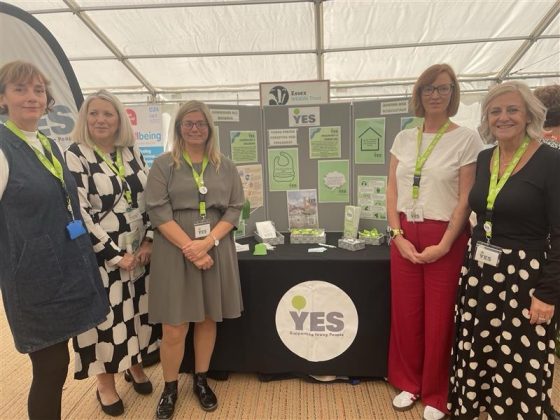
“While these issues are not new, the pressures surrounding them have intensified, particularly through the 24/7 influence of social media, alongside the lasting impact of COVID-19, the cost-of-living crisis, and wider global uncertainty.
“What has never changed is the importance of early, compassionate support.”
Themes of opportunity, belonging and participation appeared throughout ECF’s Vital Signs work, themes reflected in InterAct’s approach.
For InterAct, whose relationship with ECF dates back to 1998, the past three decades have also been a story of growth and adaptation.
The organisation supports children and young people aged 8–25 with special educational needs and disabilities (SEND), helping them build confidence, friendships and independence.
“While InterAct has evolved and expanded over the years, what has remained constant is our commitment to putting young people with SEND and their families at the heart of everything we do,” said Vickie Perkins, Chief Executive Officer of InterAct.
Headway Essex, whose relationship with ECF dates back to 2001, reflects another theme seen throughout ECF’s work: the importance of belonging and having support through life-changing circumstances.
Starting as a monthly support group at St Mary’s Hospital in Colchester, the charity has grown significantly over the decades and now provides day centres in Colchester and South Benfleet, educational programmes and one-to-one support.
“As was the case 40 years ago, monthly support groups are still invaluable for people with a brain injury, offering the opportunity to share challenges and rehab wins, and most importantly build a community,” said Anastasia Grabov, Income Generation Lead at Headway Essex.
“It’s fair to say that providing a community of people that supports each other continues to be one of the biggest strengths here at Headway Essex.”
Together, these stories reflect many of the themes ECF has seen over the last 30 years: the importance of connection, opportunity, early help and strong local organisations that understand the people they work with.
For Colchester United Community Foundation, whose relationship with ECF dates back to 1998, partnership has helped them continue reaching people across the community.
Corin Haines, CEO of Colchester United Community Foundation, said ECF’s support has helped them “provide vital services to those who may need it most.”
“It is wonderful to see ECF reach its 30th anniversary and continue to impact people’s lives in such a positive way. We look forward to continuing our partnership for many more years to come to help us enrich, inspire and unite our communities further.”
Thirty years after ECF began, Essex continues to change, but looking back across three decades reveals a lasting thread: the importance of listening first, understanding local need and supporting the organisations working every day to make a difference.
As ECF looks ahead, those lessons remain at the heart of its work, helping Essex.
Get involved
To learn more about Essex Community Foundation’s 30-year journey and its work supporting local charities and voluntary organisations, visit: www.essexcommunityfoundation.org.uk
Basildon Foodbank: A Stable and Welcoming Space for the Community
16th July 2026
Basildon Foodbank has been a vital lifeline for individuals and families across the town since 2013, providing emergency food alongside compassion, dignity, and practical support during times of crisis. The foodbank operates a referral-based system, meaning people are supported when they have been identified as being in urgent need by local agencies and partners.
As demand for services continues to rise, the need for a stable and welcoming base from which to operate has become increasingly important. From its local distribution centres, the foodbank prepares and issues emergency food parcels, with volunteers playing a key role in welcoming clients, offering a listening ear, and helping to signpost people to additional support where appropriate.
Support from Essex Community Foundation, including the Acorn Fund, has contributed towards the foodbank’s ongoing running costs, helping to maintain the spaces and infrastructure needed to deliver services effectively.
Building on this foundation, Basildon Foodbank has been able to strengthen its services. Their centres now provide a more welcoming indoor space, where individuals and families are received with care and respect. This has significantly improved the experience of those accessing support, helping to restore dignity at what is often a very difficult time.
Every contribution plays an important role in sustaining this work, helping ensure the foodbank can continue delivering emergency food and practical support to those who need it most.
Victor Oladele, Basildon Foodbank Project Manager, said:
“This funding has helped us secure a stable and welcoming space for our community, ensuring that people facing crisis are supported not only with food, but with dignity and practical help towards a better future.”
We are pleased to have supported Basildon Foodbank with £6,956 from the Acorn Fund towards the rental costs of a foodbank centre, storage space, and van hire.
Thanks to donors like you, Basildon Foodbank is able to continue offering emergency food and practical support to people in crisis, providing a safe place and a pathway towards stability for those who need it most.
ECF and NHS Essex Host Event Series Exploring the Future of Essex Communities
9th July 2026
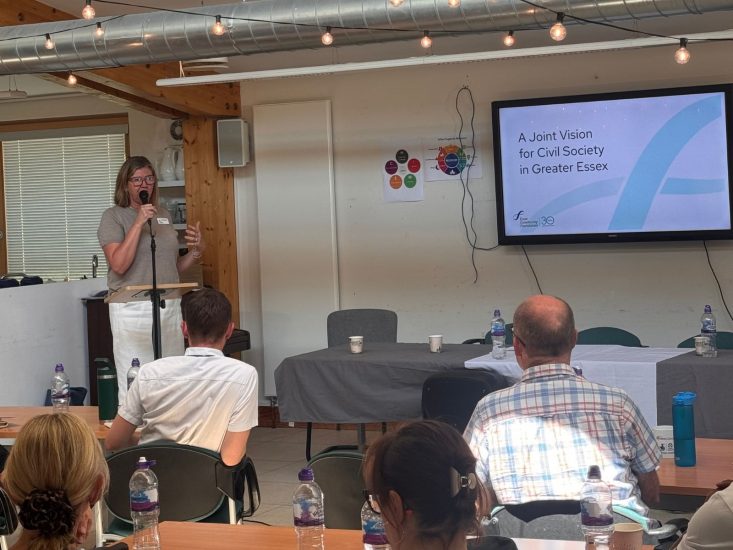
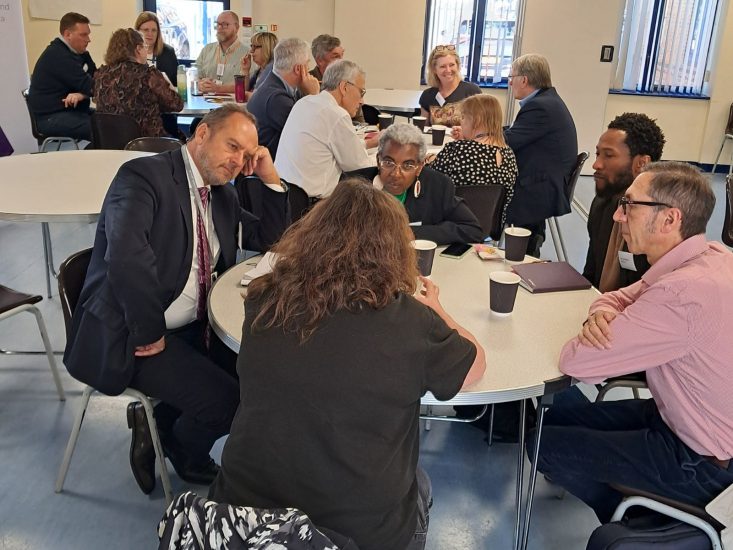
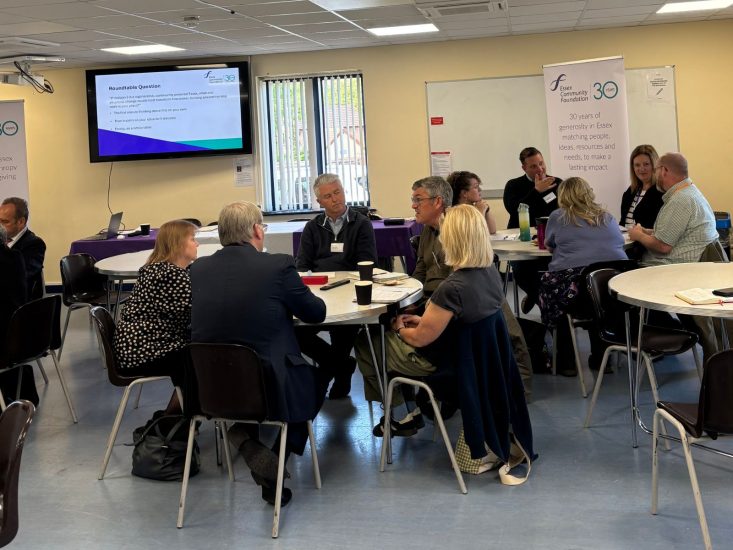
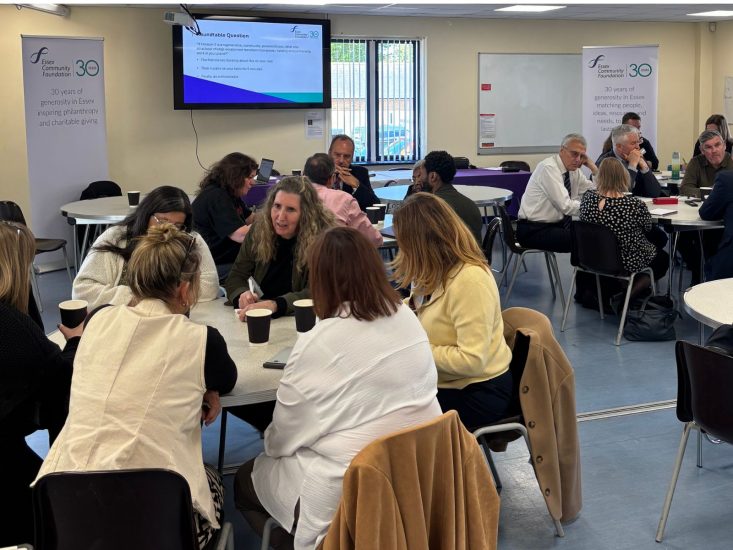
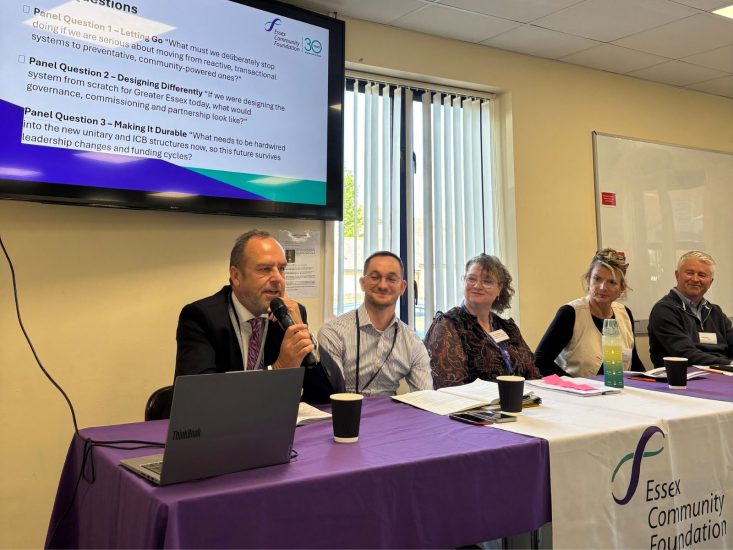
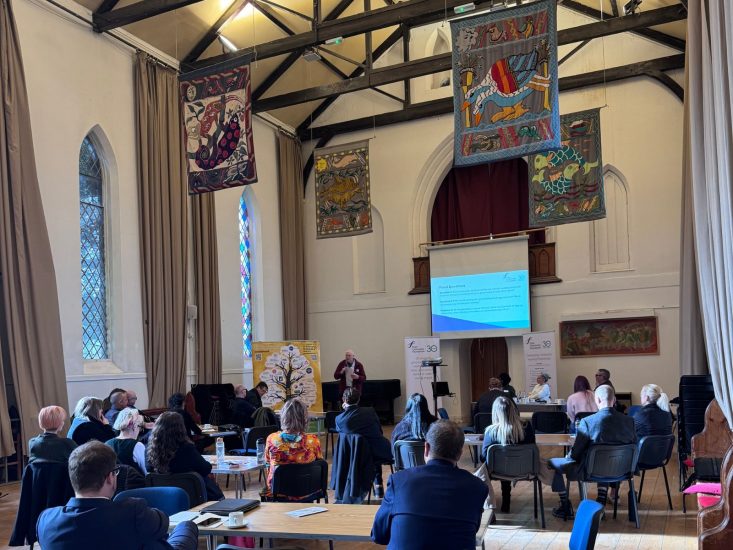
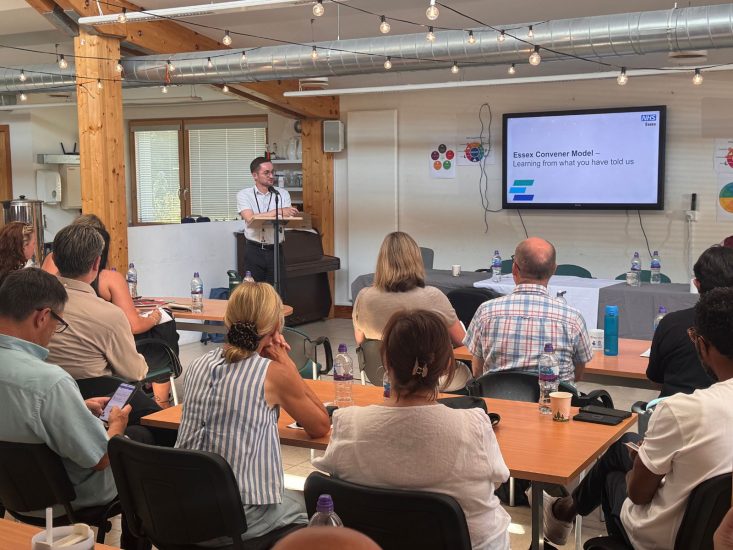
As Greater Essex experiences significant system change, Essex Community Foundation (ECF) and NHS Essex Integrated Care Board brought together organisations from across the voluntary, community and social enterprise (VCSE) sector, health, local government and wider partners to explore how communities and the organisations that support them can help shape a stronger future for civil society across Greater Essex.
The Future of Essex series: From Reorganisation to Transformation created a collaborative space for cross-sector conversations about how partners can move beyond system reorganisation towards genuine transformation by building on existing strengths, making better use of collective resources and supporting more community-led, preventative approaches.
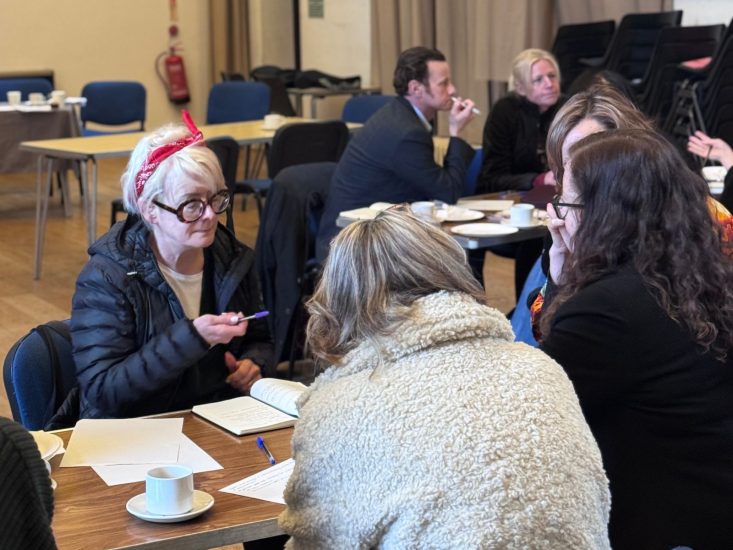
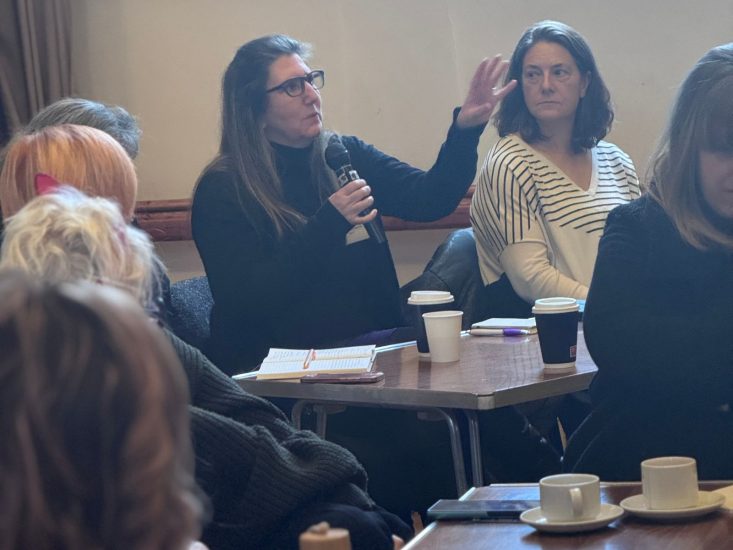
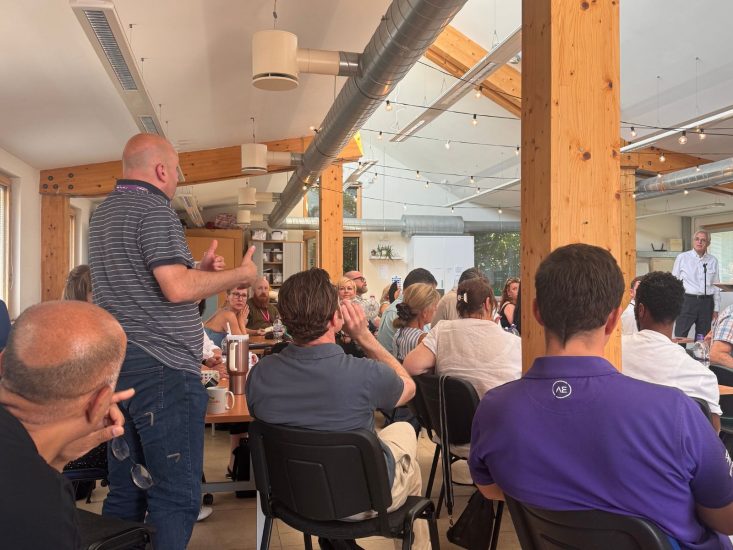
The series explored current challenges, community-led approaches and opportunities for future action through four events in Harwich, Harlow, Grays and Rochford. Panels brought together perspectives from NHS Essex Integrated Care Board, ECF, VCSE organisations and local authority representatives, alongside roundtable discussions exploring themes in greater detail.
Key insights from the series
Recognition of the vital role the VCSE sector plays in our communities
Charities, grassroots organisations and community groups play an important role in understanding local needs through trusted relationships, local knowledge and experience built through years of working alongside communities.
This insight helps identify challenges, understand changing needs, and develop solutions that reflect local realities.
However, the sector can still too often be seen as a service provider rather than a strategic partner.
Participants discussed how the expertise of the sector can be involved earlier in planning, commissioning, and decision-making, ensuring future approaches are shaped with those closest to the issues and opportunities from the beginning.
Building on the innovation already happening locally
Many of the approaches needed for thriving communities are already happening locally.
Participants shared examples of local partnerships, community-led solutions, and new ways of working already creating positive change.
The focus was on how Greater Essex can better recognise, connect, and support these approaches, rather than starting again or losing valuable knowledge during periods of change.
Moving from crisis response to prevention
There is a need to shift from crisis response towards prevention, early intervention, and long-term wellbeing.
Charities, grassroots organisations and local partners can support people earlier, build connections and address challenges before they escalate.
Participants highlighted the importance of prioritising prevention in future decisions, recognising that healthier and more resilient communities require investment in the support, relationships and local infrastructure that help people thrive.
Investing differently to support long-term change
Short-term funding and commissioning approaches make it harder for organisations to plan, collaborate and create lasting impact.
There is a need for more flexible, longer-term approaches that recognise the value of prevention and support organisations to focus on outcomes.
The series also considered how Greater Essex can maximise existing resources while attracting additional funding through national programmes, philanthropy and social impact investment.
Turning conversations into action
The final event in Rochford brought together reflections from across the series, exploring key learning and how ideas could be turned into action.
Tom Abell, Chief Executive of NHS Essex Integrated Care Board (ICB), reflected on how learning from the series has contributed to thinking around the development of the ICB’s convener approach, recognising the importance of involving the VCSE sector earlier in the design of services and commissioning because of its expertise and understanding of local communities and needs.
Caroline Taylor, Chief Executive of ECF, also shared A Joint Vision for Civil Society in Greater Essex, reflecting many of the themes and priorities raised throughout the series, including recognising the contribution of the VCSE sector, building genuine partnerships across sectors and creating the conditions for long-term community impact.
Together, these conversations reinforced that supporting a stronger future for Essex communities is not only about changing structures, but changing how organisations work together and ensuring the knowledge already within communities helps shape what comes next.
Caroline Taylor, Chief Executive of Essex Community Foundation, said:
“The Future of Essex series has reinforced what we see every day through our work with voluntary and community organisations, that there is incredible knowledge, experience and innovation already happening locally.
If we are to create stronger communities across Greater Essex, this expertise must be recognised and reflected in the decisions, partnerships and investment that shape their future.”
Tom Abell, Chief Executive of NHS Essex, commented:
“The Future of Essex series has shown what is possible when we bring the NHS, local government and the VCSE sector round the same table. Voluntary and community organisations understand their communities in a way no single institution can replicate, and that understanding needs to shape our decisions from the start with stronger partnerships across the sector meaning better outcomes for the people of Essex.”
Lisa Andrews, Chief Executive of Community Voluntary Services Tendring, and attendee of all four events in the series reflected:
“The Future of Essex events have created valuable opportunities for voluntary and community organisations to consider how we can work differently with the NHS and local government during a period of significant change.
The VCSE sector plays a vital role in improving the health and wellbeing of local people, and this contribution has been recognised more than ever through the series.”
The Future of Essex series represents one part of a wider conversation about the future of civil society and communities across Greater Essex.
The insights gathered through the series will continue to support discussions with partners across the VCSE sector, health, local government, and beyond.
If you’d like to find out more about our Joint Vision for Civil Society in Greater Essex, click here.
Organisations interested in sharing their experiences, exploring opportunities for collaboration or contributing to future conversations about this work can contact ECF’s Policy Team at Policy@essexcf.org.uk.